Field Repair Basics: How to Fix Common Crawler Breakdowns on the Trail
What to carry, what breaks first, and how to handle the most common SCX24 and TRX4M failures when you're already out on the trail.
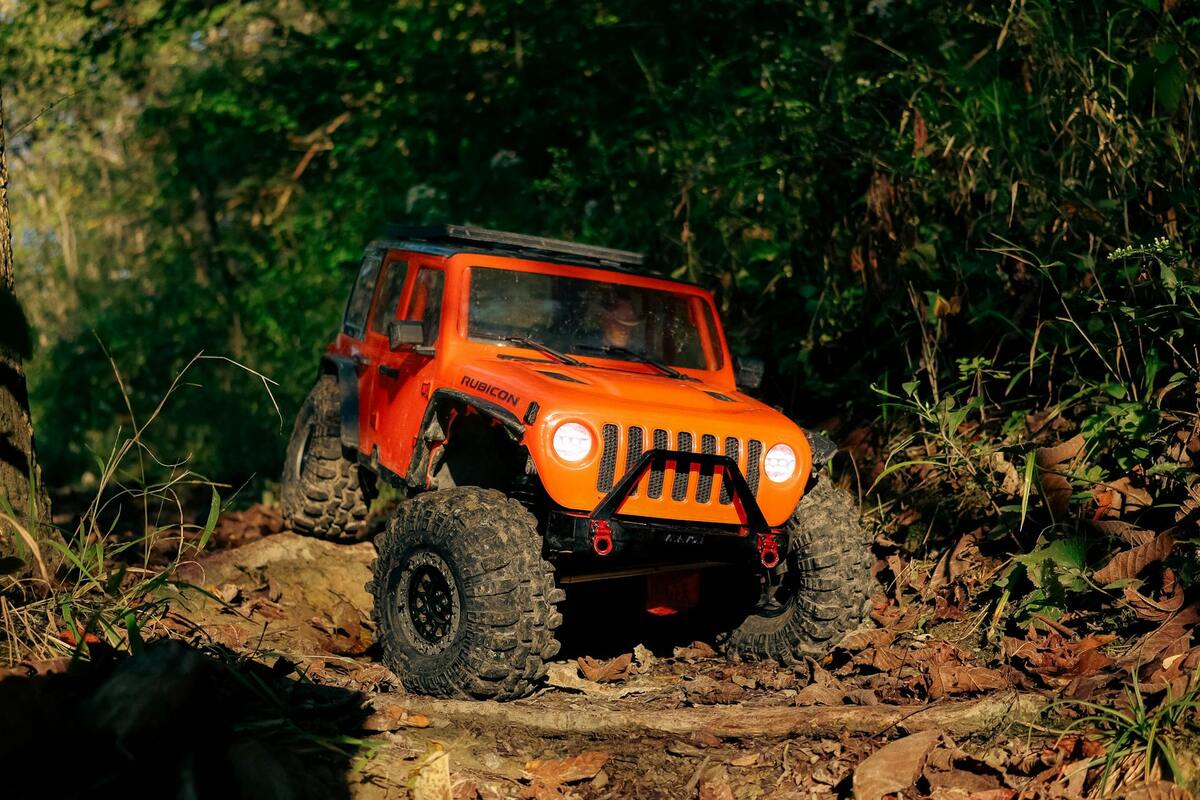
Something will break. That’s not pessimism - that’s just micro crawling. The rigs are small, the terrain is not, and the parts are working harder than they look. When I got back into RC after a long break, I assumed modern plastic was more durable than what I remembered. Mostly true. But a driveshaft can still pop out, a servo horn can still strip, and a battery connector can still decide to stop connecting right when you’re in the middle of a good line.
The good news: most trail failures are fixable in five minutes with the right stuff in your pocket. Here’s what breaks most often, how to handle it, and what to keep in your kit bag.
The Most Common Failures (By Platform)
Before you pack tools, it helps to know what you’re likely packing for.
SCX24 failures:
- Driveshaft popping out of the axle cup (most common, especially after suspension mods)
- Servo horn stripping or cracking
- Shock shaft bending or shock body cracking under impact
- Steering link bending on hard hits
- Body pin loss (minor, but annoying)
TRX4M failures:
- Driveshaft joints separating at the portal
- Shock collar sliding out of position after heavy landings
- Body clips disappearing into the void
- Motor pinion coming loose if not secured with a set screw
Neither platform will strand you often, but driveshaft issues are the most likely culprit on both rigs. Knowing how to handle a popped driveshaft on the trail is the single most useful skill you can have.
Fixing a Popped Driveshaft
This is the one that happens most. The driveshaft pops out of the center diff or axle cup and the truck stops moving. It looks worse than it is.
On the SCX24, pop the driveshaft cup back into the diff or axle by pressing the shaft in until you feel or hear it seat. Sometimes the cup itself needs to be pushed in slightly first. Apply gentle pressure with your thumb while wiggling the shaft. It will click back into place. No tools required for the basic version.
If it keeps popping out, the cup may be worn or the o-ring or retaining clip inside may have failed. On a well-used SCX24, replacement driveshaft cups are cheap. Injora sells replacement axle cups and driveshafts for a few dollars. Carrying a spare shaft and cup on long sessions is not overkill.
On the TRX4M, if a shaft separates at the portal gear area, it usually requires reseating and occasionally tightening the small screw that retains it. A 1.5mm hex key handles this.
The Field Repair Kit
This is what actually fits in a jacket pocket or small zip pouch. You don’t need a full tool chest.
The must-haves:
- 1.5mm and 2mm hex keys (or a folding multi-hex tool) - handles most screws on both platforms
- A small set of hex drivers or a folding hex wrench that covers 1.5mm to 3mm fits in any pocket
- Body clips / body pins, at least 4-6 extra - they disappear constantly
- A spare servo horn (for the SCX24 especially)
- Zip ties, 3-4 short ones - useful for temporary fixes and lashing loose wires
- Small flat-head screwdriver (fits a flathead for battery connector inspection)
Helpful but optional:
- One spare driveshaft for your specific platform
- Electrical tape - 12 inches wrapped around a hex key adds almost no weight
- Blue threadlocker (Loctite 243), a small tube - if a screw keeps backing out on you mid-session, a single drop fixes it permanently enough to get through the day
That’s the kit. It weighs almost nothing, fits in a pocket, and covers 90% of what will go wrong on a casual trail session.
Stripped Servo Horn
This is the second most common fix I’ve had to do on the trail. The servo horn is plastic, the servo output shaft is plastic on budget servos, and the spline strips when the servo binds against a rock and the gear strips instead of the motor stopping.
If the horn is stripped but the servo shaft is fine, the fix is a replacement horn. For the SCX24, most standard micro servo horns (0.8 module) fit. A pack of replacement servo horns runs a few dollars and covers multiple sessions.
If the servo shaft itself is stripped, that’s a bigger problem that usually means a servo swap at home. You can still trail-run by carefully repositioning the horn and using a zip tie to temporarily hold it in place. It will not be precise, but you can limp home.
The better long-term fix is a servo upgrade that includes a metal output shaft. Once I upgraded the stock servo on my SCX24, I stopped having this problem. If you haven’t done that yet, the servo upgrade guide covers what to get and why.
Electrical Issues
Most electrical problems on the trail fall into one of two categories: connector issues and battery issues.
Loose connector: The Traxxas connector on TRX4M rigs and the JST connector on SCX24s can work loose. If the truck cuts out intermittently or won’t respond, check the connector between the battery and the ESC first. Push it firmly. Sometimes that’s all it is.
Battery issue: If the truck runs for 30 seconds and cuts out, the battery is probably at low-voltage cutoff. The ESC is doing its job. Swap batteries if you have a spare. If you don’t, you’re done for the session. This is the strongest argument for always bringing a second pack - not performance, just not ending your day early.
If the truck shows power (lights on, servo moves) but the motor won’t spin, check whether the ESC has gone into a fault state. On most budget ESCs, pulling the battery, waiting 10 seconds, and reconnecting resets it.
When the Body Takes a Hit
Bodies crack. On both the SCX24 and TRX4M, the plastic body is not structural. It’s just cosmetic. A cracked body that’s still attached doesn’t affect performance at all.
If a body panel is hanging loose or flexing into a wheel, a short piece of electrical tape or a zip tie can hold it through the rest of the session. At home, thin CA glue (super glue) wicks into plastic cracks and bonds them solidly. Apply from the inside of the body so it’s invisible from the outside.
Body pins are the other body issue. They fall out constantly. I now carry 8-10 extras. There’s no clever fix: just bring more pins.
What Not to Repair on the Trail
Some things need a workbench. Trying to fix these in the field usually makes things worse.
- Broken gear: If you hear a grinding or skipping sound in the drivetrain, stop driving. Running on a broken gear destroys adjacent gears fast. Pull the battery and diagnose at home.
- Bent axle: If a wheel is visibly off-angle and won’t track straight, the axle housing may be bent. Driving on it stresses the drivetrain. Mark which axle, drive home carefully, and replace at your bench.
- Smoke from the ESC or motor: If you see smoke, pull the battery immediately. Don’t try to run it. Full stop.
These aren’t common, but they’re worth naming. Most field “repairs” are really just snapping something back into place or tightening a screw. The serious stuff is rare on micro crawlers used at normal trail speeds.
What to Buy
Here’s a consolidated list of what actually belongs in a field kit:
- Folding hex wrench set (1.5-3mm) - covers every fastener on both platforms
- Replacement SCX24 driveshafts and cups - carry one spare shaft per session once you’re running mods
- Micro servo horn pack - a pack of 10 lasts a long time
- Loctite 243 blue threadlocker - for screws that keep backing out
- Thin CA glue - body repair, home use
- Body clips - buy a bag, keep them everywhere
The whole kit runs under $30 and you probably already own the hex keys. None of it is specialized gear. All of it will get used.
If you’re still sorting out which crawler fits your style before worrying about repairs, the SCX24 vs TRX4M comparison breaks down which platform makes more sense depending on where you’ll be running.
And once the tools are sorted, cleaning and maintenance covers the regular upkeep that keeps failures from happening in the first place.
See also: Your First 5 Crawler Upgrades · Cleaning and Maintenance · Essential Tools · SCX24 vs TRX4M · Shock and Suspension Tuning
This page contains affiliate links. If you purchase through these links, I may earn a small commission at no additional cost to you. I only recommend gear I actually use.
Ready to buy?
See my curated gear picks for this platform and others — organized by upgrade priority.
Browse Recommended Gear →